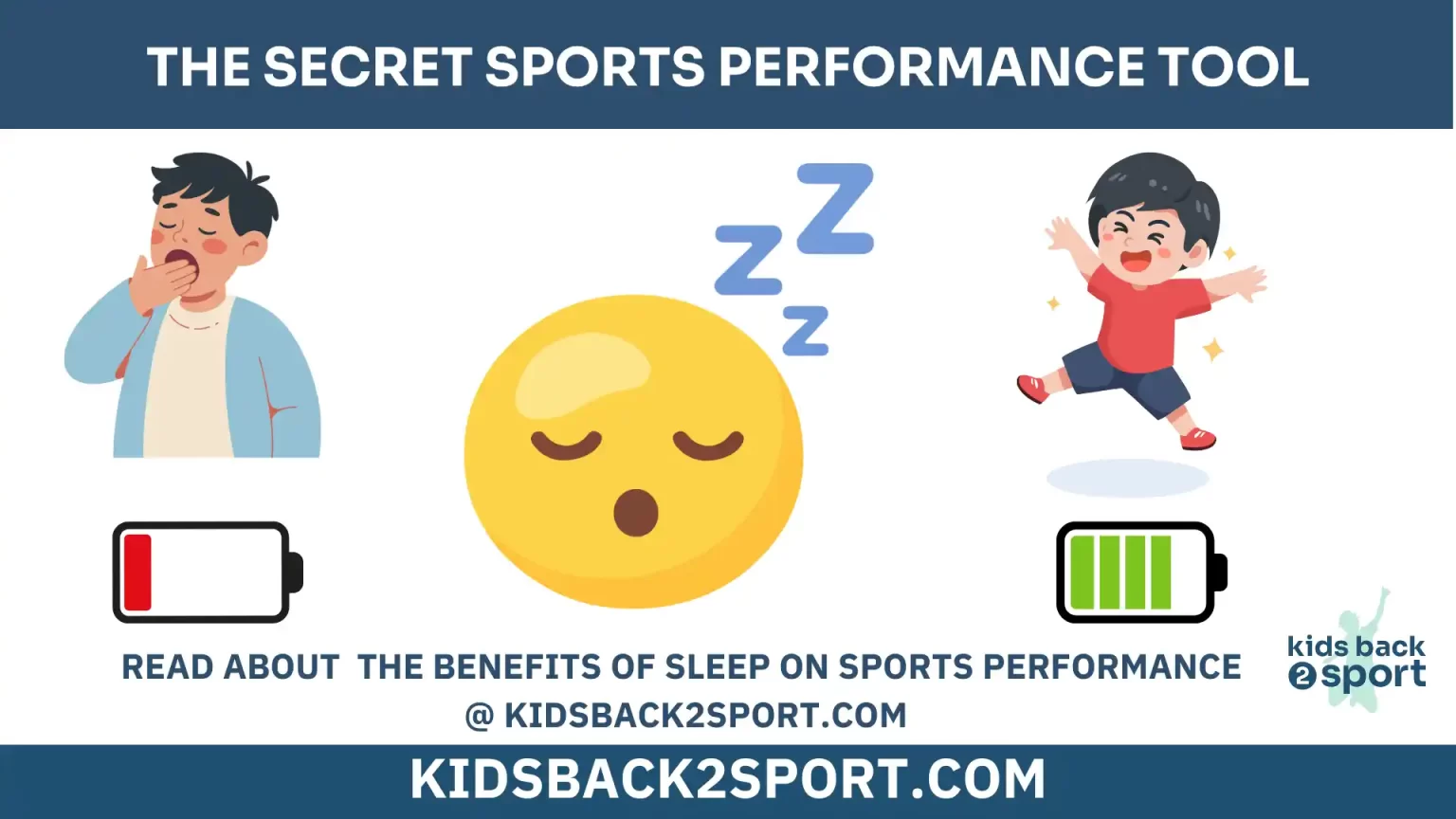
As a young athlete, you probably focus on training, skills, and nutrition, but there’s one thing that can make as big a difference as all of that: sleep. Recent research shows that getting enough high-quality sleep isn’t just about feeling rested, it directly affects performance, recovery, and injury risk in athletes of all levels.
Sleep problems are common among young athletes, driven by late night training schedules, travel, competition timing, academic stress, and early morning starts — meaning many athletes regularly operate in a sleep deprived state.
Why Sleep Matters for Young Athletes
Sleep is your body’s natural repair and recharge time. While you sleep you are resting but your body is busy:
- Your muscles grow, helping you get stronger and faster.
- Your tissues regenerate and repair any injuries
- Your brain practices skills and memory, so you can perform better in games and competitions.
- Your hormones and energy balance reset, giving your body the fuel it needs to adapt to training.
Sleep quality and quantity
Your body has a natural clock (circadian rhythm) that tells you when to be awake and when to sleep, and a sleep drive (sleep pressure) that builds the longer you are awake.
Your body builds a “sleep tank” while you’re awake and has an internal clock that tells you when to sleep.
If you’re a “night owl” and stay up late but must wake up early for school or training can drain your sleep tank, so you miss the deep, restorative sleep your body needs for muscle repair, bone recovery, and hormonal regulation and even increasing your risk of injuries like sprains or stress fractures. But it also reduces the impact of the training you do.
No Sleep, No Training Gain: Why Your Body Needs Recovery
When you train, your body works hard and sometimes feels tired or sore. Your muscles, bones, and brain all need time to repair and grow stronger. This is called training adaptation.
The magic happens when you rest and sleep helping muscles and bones to get stronger and able to handle future challenges and your brain remembers skills, so you play smarter and faster.
Think of training like planting seeds. Sleep and nutrition are the water and sunlight that help your body grow. Without enough sleep and energy intake, your body can’t fully adapt — and you might feel tired, slow, or more likely to get injured.
Sleep is not optional
Studies in young and adult athletes highlight:
- Athletes who sleep less than 7 hours per night are more likely to get injured.
- Lack of sleep slows reaction times, reduces coordination, and makes it harder to focus during training or games.
- Even short-term sleep loss can make your muscles, brain, and immune system less effective.
In short: poor sleep — whether short duration, frequent awakenings, or inefficient sleep affects performance, safety, and growth.
In the next blog we will look at how to improve sleep quality and quantity and help you use your bodies superpower to fast charge peak performance.