
Are You Ready for the Cricket Season?
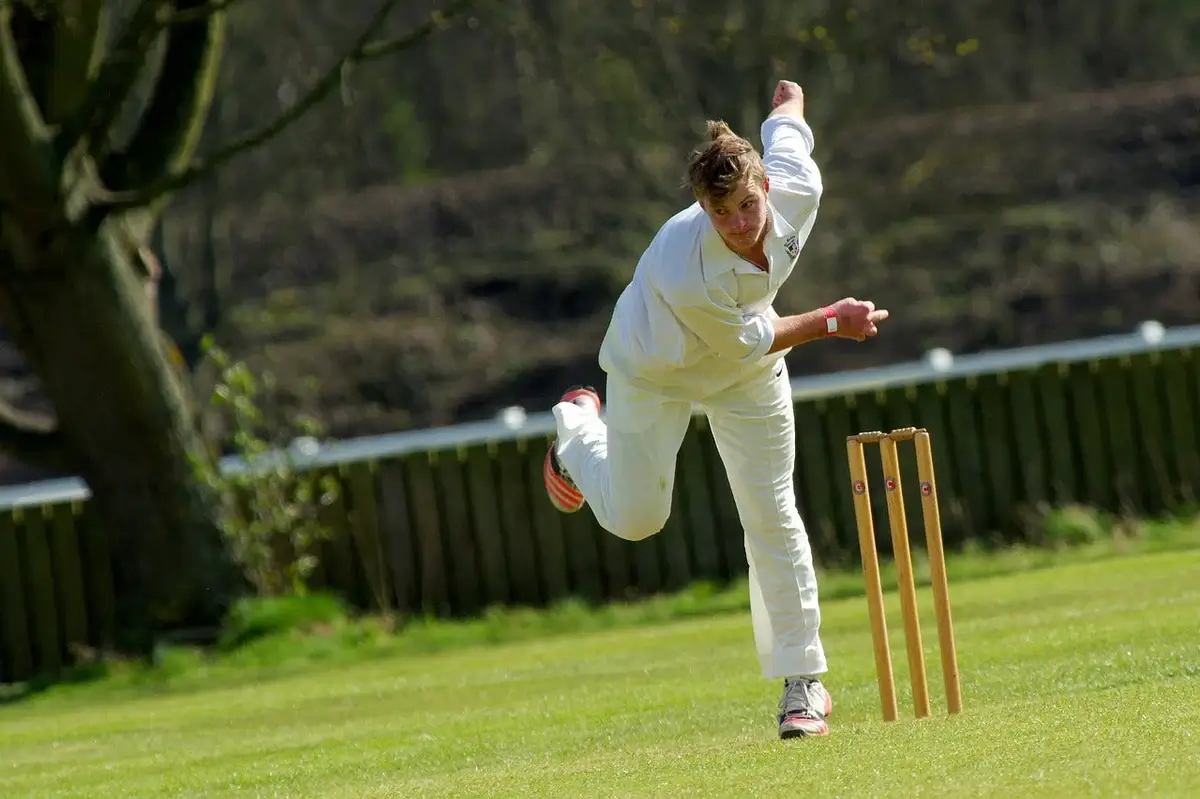
For many young cricketers, the start of the cricket season is an exciting time. After months away from matches, children often return to training, nets and competitions with enthusiasm.
However, returning to cricket too quickly without adequate preparation can increase the risk of injury. Many injuries occur when the demands placed on the body exceed what it is currently prepared to tolerate.
Preparing properly for the season helps young cricketers stay healthy, improve performance and enjoy the game safely.
Why Injuries Occur in Junior Cricketers
Injuries in youth sport often occur when training load increases faster than the body can adapt.
At the start of the cricket season, enthusiastic players may suddenly increase the amount of:
- Bowling
- Throwing
- Sprinting
- Fielding drills
- Match play
- Playing multiple sports with similar loads on the body
After a long winter with little cricket-specific training, these sudden increases in activity can place stress on muscles, joints and bones. Gradually preparing for the demands of the season helps the body build resilience.
Low Back Pain in Young Cricketers
Low back pain is one of the most common injuries seen in junior cricket.
The bowling action can generate ground reaction forces through the body that are several times body weight. Spin bowling also places stress on the lower back so it is not just pace bowlers who are at risk. This repeated stress can place significant load on the spine, especially in growing athletes whose bones are still developing.
Because the bones of the lower back continue maturing into early adulthood, they may be more vulnerable to stress injuries during adolescence. This is why monitoring workload and recognising early symptoms is important.
Bone Stress Injuries in Young Athletes
Repeated stress placed on the spine can lead to bone stress injuries. These injuries develop when the amount of stress placed on a bone exceeds its current ability to adapt. The bone may initially develop a stress reaction or “bone bruise”, and if the stress continues, the injury may progress further.
Young athletes often experience these injuries when training loads increase rapidly or when the body has not had enough time to adapt to the demands of sport. Learn more with our free resource on Youth Athlete LBP.
Warning Signs to Watch For
Parents and coaches should pay attention to early symptoms that may indicate the body is struggling to cope with the demands of cricket.
Possible warning signs include:
- Low back pain during or after bowling
- Stiffness in the lower back
- Pain during running or sprinting
- Discomfort when arching the back
- Reduced performance or fatigue
If a young athlete experiences these symptoms during sport, activity should be reduced until the cause is understood.
Managing Bowling Workload
Managing bowling workload is an important part of protecting young cricketers from injury.
Guidelines for junior bowlers often include limits on the number of overs bowled during a spell and across a match day. This helps prevent excessive stress on the spine and other structures. However, at the start of the season, these guidelines are often too high for many bowlers and gradual progression is key.
Preparing for the Cricket Season
Preparing properly before the season begins can help reduce injury risk.
Helpful preparation strategies may include:
- Gradually increasing bowling practice
- Developing strength and conditioning
- Limiting other sports that replicate the forces on the spine on the same day as playing cricket
- Eating for performance – the more they do, the more energy they need
- Ensuring adequate recovery between sessions – avoid back to back days
These steps help prepare the body for the demands of cricket.
The Importance of Playing Multiple Sports
Children who participate in a variety of sports often develop a broader range of movement skills.
Playing different sports can help improve coordination, strength and athletic development while reducing repetitive stress on the same body areas. Specialising in one sport too early may increase injury risk, particularly during periods of rapid growth. However, avoid replicating the same actions and stresses on the spine such as tennis serving and cricket pace bowling.
Sleep, Nutrition and Recovery
Healthy recovery habits are essential for young athletes.
Supporting recovery includes:
- Getting enough sleep
- Maintaining balanced nutrition
- Staying hydrated
- Taking rest days between intense sessions
These factors help the body repair and adapt after training and competition.
When to Seek Professional Advice
If a young cricketer experiences persistent low back pain or symptoms that worsen during sport, it is important to seek professional advice immediately and cease all pain provoking activities until then.
Early assessment can help identify the cause of the problem and guide appropriate management so the athlete can return to cricket safely.
More detailed guidance on preparing for the season and recognising injury risk factors can also be found in the free resource provided by Kids Back 2 Sport.
Frequently Asked Questions About Cricket Injuries in Young Athletes
Concerned About Your Child’s Cricket Injuries?
Why do young cricketers get back injuries?
Bone stress injuries often occur when the physical demands of bowling and training exceed what the spine can currently tolerate, particularly during growth phases.
Is fast bowling the only cause of back pain in cricket?
No. Although fast bowling places high stress on the spine, similar injuries can also occur in spin bowlers and athletes participating in other sports that involve repeated back extension.
How can young cricketers reduce injury risk?
Gradually increasing bowling loads, maintaining strength and conditioning, getting enough sleep and allowing adequate recovery can help reduce injury risk.
Should a child keep playing cricket if they have back pain?
If a child experiences back pain during sport, they should stop all activities that aggravate symptoms until the cause is understood.
Why is preparation important before the cricket season?
Gradual preparation helps bones and muscles adapt to the demands of bowling, throwing and running, reducing the likelihood of injury.

Reviewed by Kids Back 2 Sport
Based on educational material by Angela Jackson
Reviewed by Kids Back 2 Sport
Based on educational material by Angela Jackson
Related Content
This information is for patients who already have a diagnosis from a qualified health practitioner. The material on this website is designed to support, not replace, the relationship that exists between you and your qualified health professional. If your symptoms are not settling, please do ask for help from one of the practitioners listed on the Kids Back 2 Sport directory or a health professional with experience in children’s conditions.