With more children taking part in sports like baseball, cricket, and tennis, we’re seeing a rise in elbow injuries among young athletes. While sport is fantastic for fitness and development, growing bodies are more vulnerable to certain types of overuse injuries — and if these aren’t recognised early, they can become more serious and take much longer to heal.
Understanding the Growing Elbow
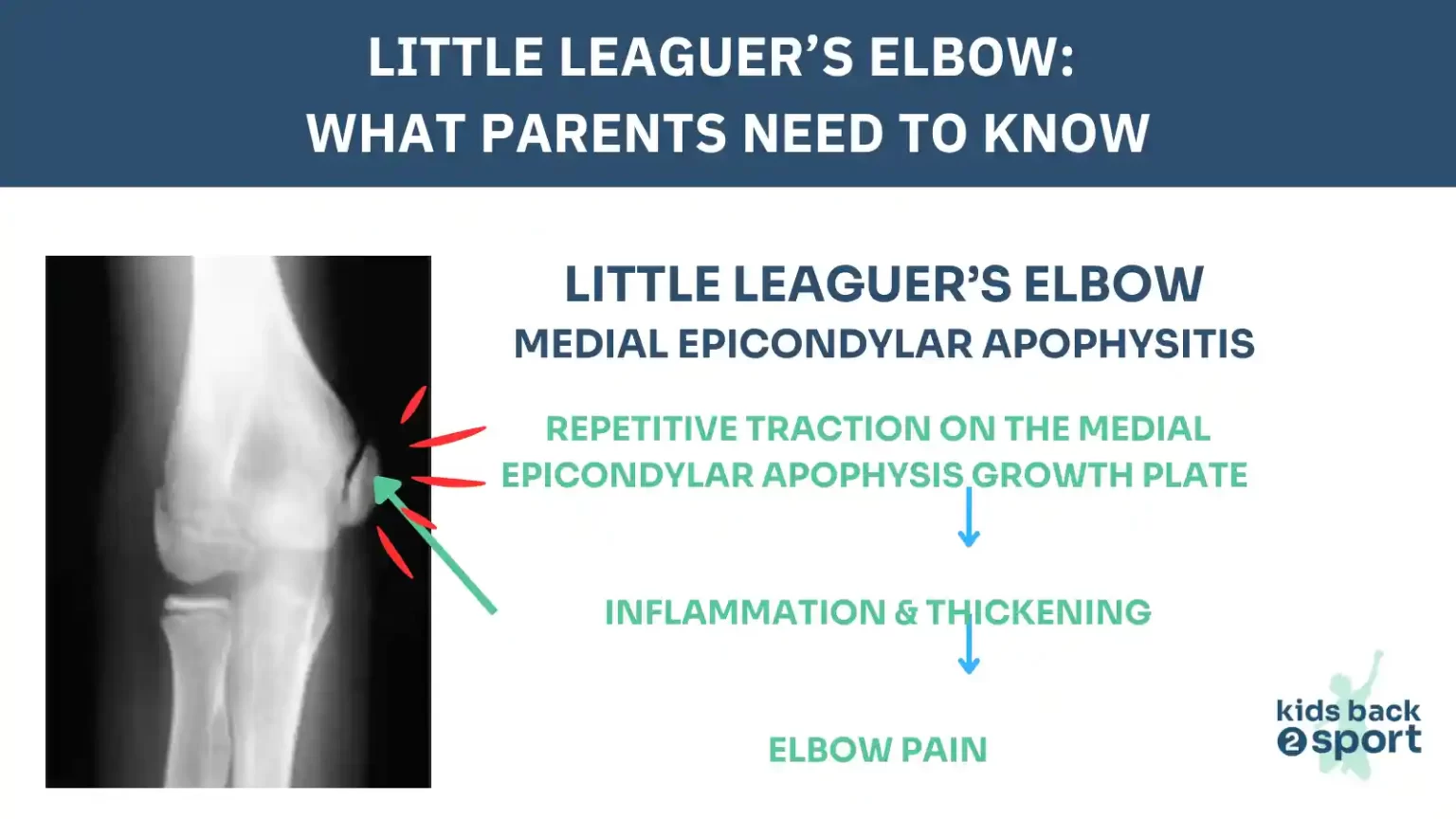
At the end of the upper arm bone (the humerus) is a growth plate called the medial epicondylar apophysis. This is where important ligaments and forearm muscles attach — structures that help stabilise the elbow during movement.
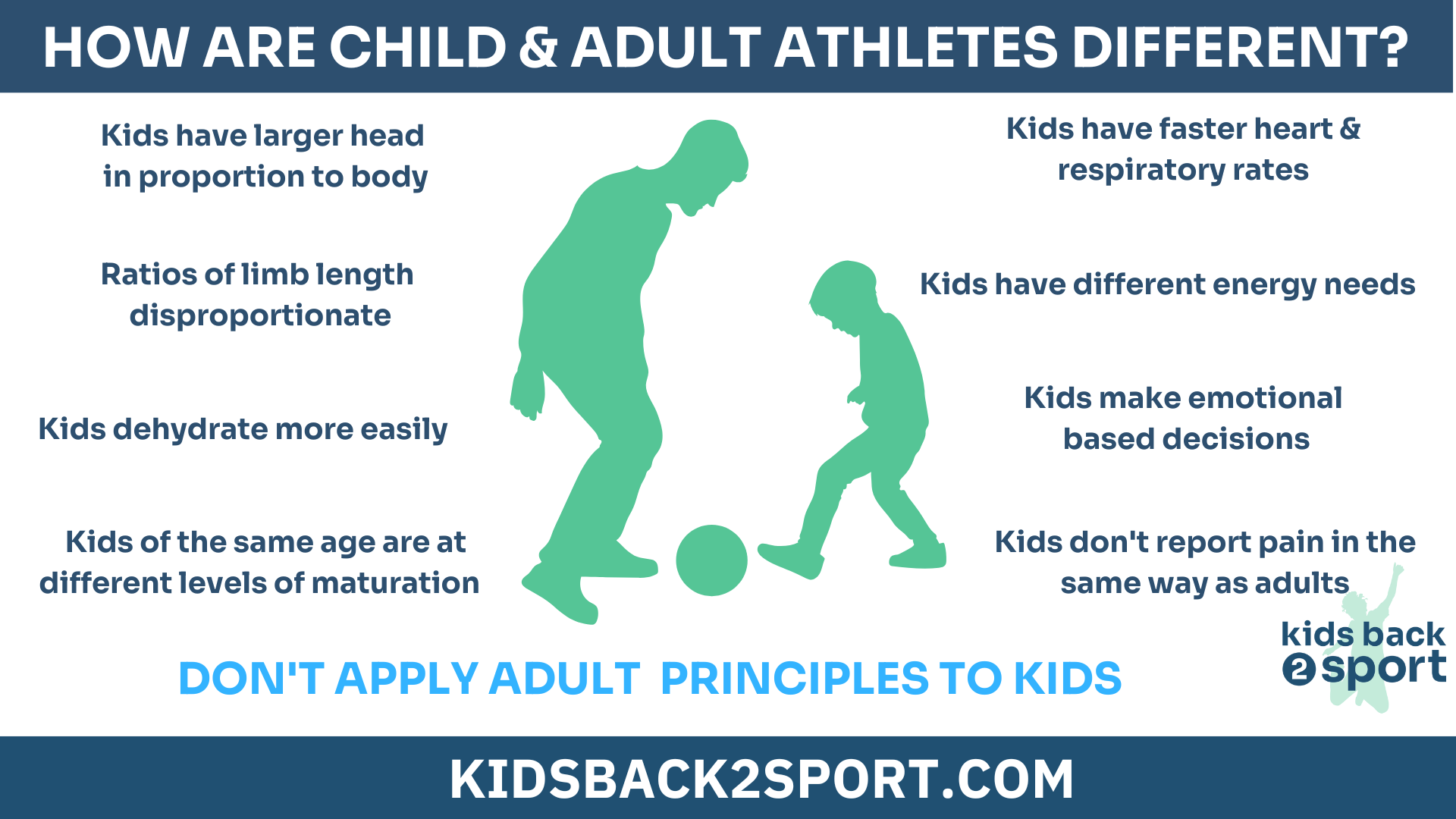
In children and adolescents, these growth plates are made of softer tissue, making them particularly susceptible to stress from throwing, pitching, and racquet sports.
When a child throws repeatedly or increases their activity too quickly (for example, at the start of a new season), this repetitive traction and twisting can cause inflammation of the growth plate — a condition known as Little Leaguer’s Elbow.
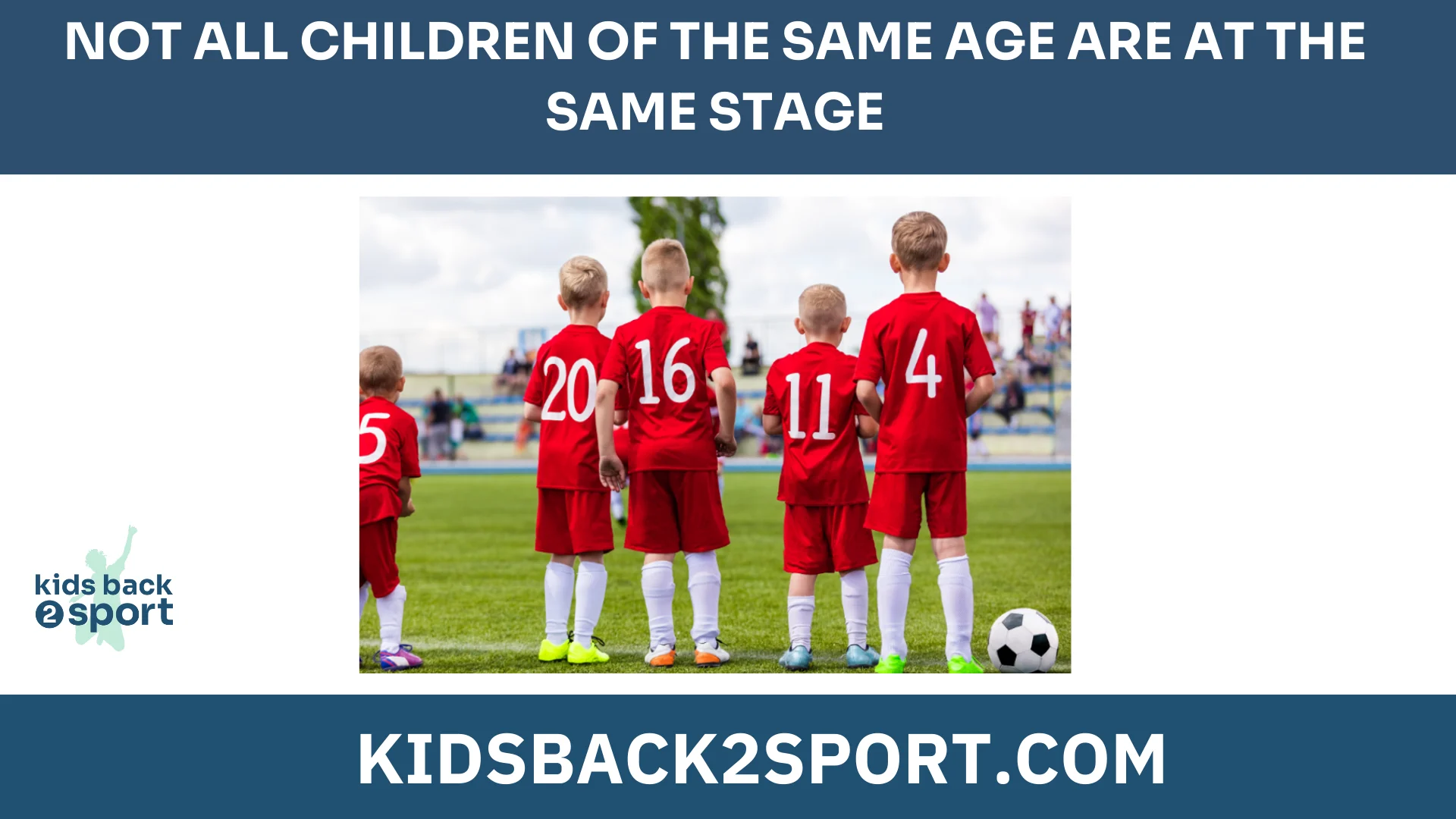
Why Age Matters
The type of injury often depends on the child’s stage of growth:
- Younger athletes usually develop apophysitis — inflammation where the tendon or ligament attaches to the immature bone.
- Older adolescents, whose muscles and tendons are stronger but growth plates are still developing, may suffer a more serious avulsion injury — where the soft tissues pull away from the bone itself.
- By around age 17 in boys (and a couple of years earlier in girls), the growth plates close and harden into bone. After this point, injury is more likely to affect the ulnar collateral ligament (UCL) — the main stabiliser of the elbow.
Common Symptoms to Look Out For
In younger children (apophysitis):
- Pain on the inside of the elbow that worsens with activity and eases with rest
- Swelling or tenderness around the elbow
- Loss of throwing speed or accuracy
- Gradual increase in pain over time
- Difficulty fully straightening the arm — it may feel stiff or “locked”
In older children (avulsion injury):
- Sudden onset of pain, stiffness, and swelling
- A “popping” sensation at the time of injury
- Feeling of looseness or instability in the elbow
- Locking or difficulty straightening the arm
What to Do
If your child develops any of these symptoms, it’s important they stop playing and seek a professional assessment — ideally from a physiotherapist or sports doctor experienced in children’s injuries. These growth-related conditions are often missed or misdiagnosed, as they’re not commonly taught at undergraduate medical level.
Key Takeaway
Early diagnosis and rest can prevent a simple overuse injury from becoming more serious. With the right care and gradual return to play, young athletes can make a full recovery and can continue to enjoy their sport safely.
Education of parents and coaches is essential so in the next blog we will consider how to manage these injuries and more importantly how to prevent them.
Why not learn more about why some children get injured?
Visit www.kidsback2sport.com/resources for more details.
FAQs
What is Little Leaguer’s Elbow?
It’s an overuse injury to the inner elbow growth plate (medial epicondyle) in young throwers. Repeated throwing loads the area faster than it can adapt.
What are the early warning signs?
Inner-elbow pain during or after throwing, loss of speed/accuracy, swelling, stiffness, or difficulty straightening the elbow.
How long does recovery take?
Mild cases often need 4–6 weeks of no throwing plus progressive rehab; longer if pain has been ignored or if imaging shows growth-plate changes.
Can my child keep playing while it heals?
They should stop throwing until pain-free and cleared by a clinician. Cross-train with pain-free activities during recovery.
How do we prevent it?
Track pitch/throw counts, build rest blocks (2–3+ consecutive months off throwing per year), emphasise mechanics, and avoid year-round single-sport play.