Is Your Child Getting Enough Sleep?
Teenagers need more sleep than adults—ideally 8–10 hours per night. Yet most teens don’t get enough, and the consequences are wide-reaching. Research shows that those who sleep less than 7 hours are more likely to fall ill, suffer injuries, crave sugary foods due to hormonal imbalance, and underperform academically.
Why Sleep Matters
Sleep is when the body recharges, repairs, and upgrades. It’s the time when damaged cells are restored, new muscle and bone are built, and the immune system scans for viruses. From a sports performance perspective, it’s vital: when a young athlete learns a new skill during the day, that information is processed and stored during deep sleep. Without it, they risk forgetting or losing progress.
As neuroscientist Matthew Walker puts it:
“Practice does not make perfect. It is practice followed by a night of sleep that makes perfection.”
The Science Behind Sleep
Sleep follows a 90-minute cycle consisting of four stages—three of non-REM (NREM) and one of REM sleep. In the deepest NREM stage, “sleep spindles” help transfer memories from the short-term memory hub (the hippocampus) to long-term storage (the cortex). Think of sleep as a courier service moving the day’s learning to a secure cloud. Without it, your child’s brain may overwrite or lose new information simply due to lack of space.
Two key systems control sleep:
- Circadian Rhythm – the body’s internal 24-hour clock, influenced by light, temperature, and food. Adenosine Build-Up – a chemical that increases the longer we’re awake, creating sleep pressure.
- Together, these systems regulate when we feel tired or alert. But artificial light—especially from screens—disrupts melatonin, the hormone signalling sleep. That late-night TikTok scroll may be the difference between a good night’s rest and sluggish performance the next day.
Teenagers and Sleep Timing
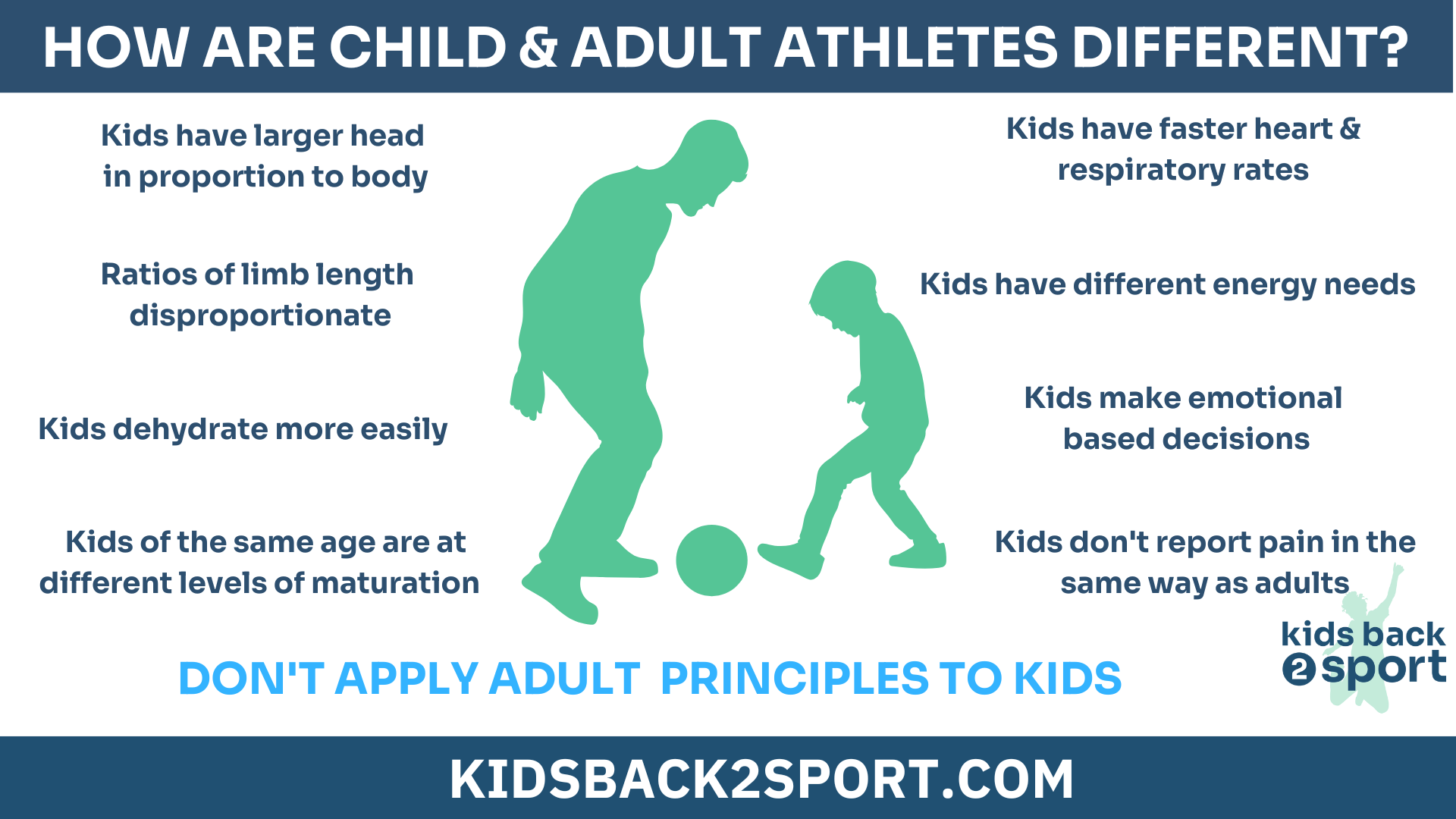
Many factors interfere with teen sleep: late-night training, late meals, screen time, and consuming caffeine, but also during adolescence, melatonin appears to be released later in the evening than in adults and sleep pressure accumulates more slowly in teens. These natural shifts in circadian rhythm that turn teens into night owls. Unfortunately, this delayed body clock clashes with early school starts, often leading to chronic sleep deprivation. To a teen, a 7am alarm can feel like a 4am wake-up call to an adult.
Does your child treat their mobile phone with greater care than they do themselves?
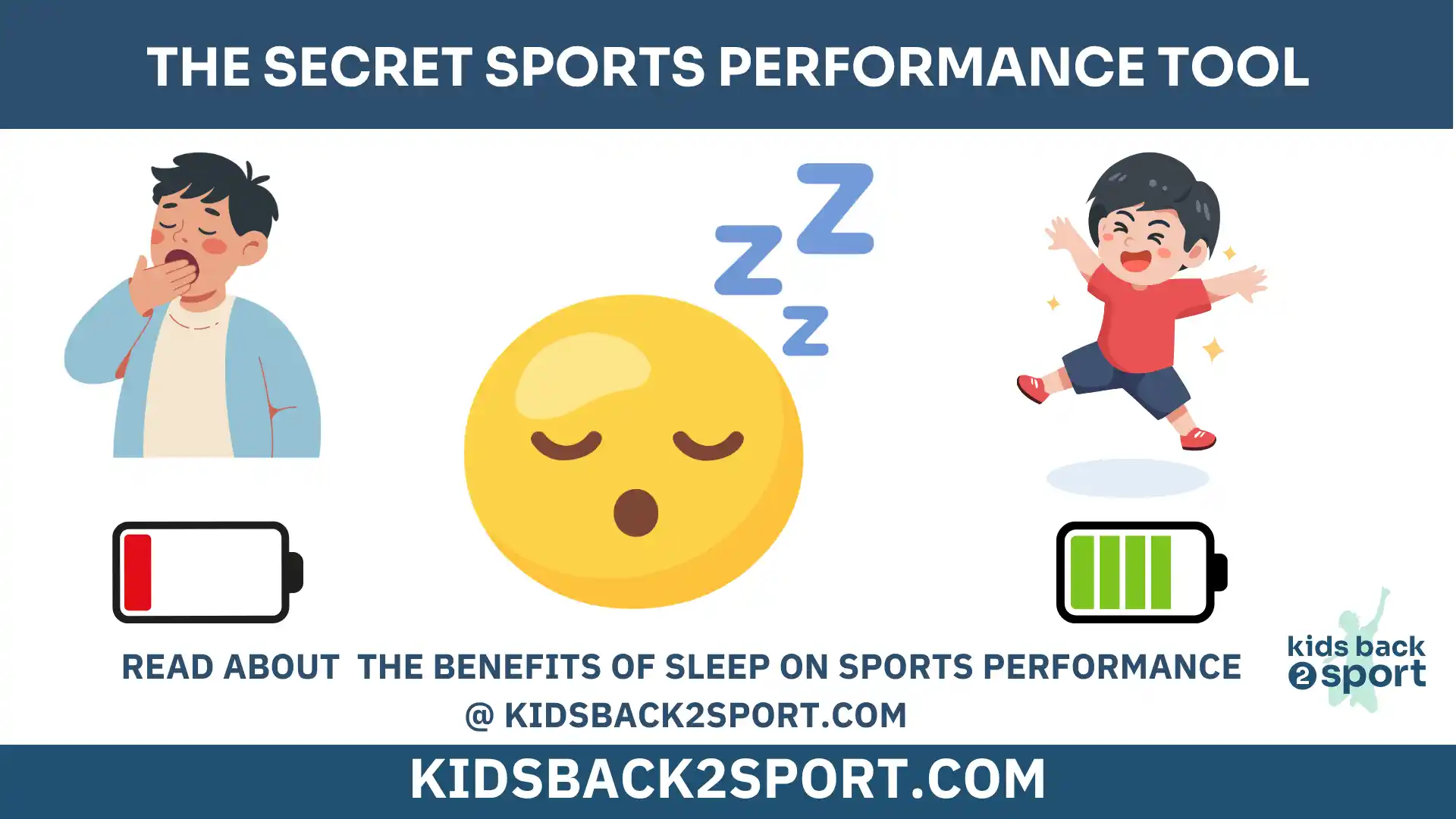
Every night, teens carefully plug in their phones, knowing they need a full charge to function. But are they giving themselves the same care?
Sleep is their internal charger—crucial for physical health, emotional balance, and peak performance. Persuading children that they should relinquish their phones an hour before bed or plug them in downstairs will be a challenge, however if children understand the link between sleep and improvements in skill, mood, memory, and resilience they are more likely to be motivated to change habits and prioritise better sleep quality and quantity. Helping them prioritise it might be the most powerful long-term investment in their wellbeing and success.
Tips for healthy sleep
- Lead my example – reduce your own evening screen time.
- Develop a sleep routine with similar sleep and wake times.
- Avoid blue light before bed or add a blue light filter/night mode.
- Take 30 minutes exercise a day, preferably outside in sunlight but not in the 2 hours before bedtime.
- Avoid caffeine, nicotine & alcohol in the evening.
- Avoid large meals, spicy food and sugary snacks and drinks at night-time.
- Try milk, banana, kiwi, and cherry juice for bedtime snacks.
- Don’t take a nap after 3pm.
- Take a hot bath before bed.
- Create a cool air temperature but use warm bedding.
- Have a dark, gadget free bedroom with no glow from plugs.