
Timing of Ossification in Young Athletes
- What Is Ossification?
- Primary and Secondary Ossification Centres
- Growth Plates and Skeletal Development
- Why Timing of Ossification Matters
- Differences Between Children and Adults
- Growth-Related Injuries in Young Athletes
- Monitoring Growth and Development
- Supporting Healthy Bone Development
- When to Seek Professional Advice
- FAQs
- What Is Ossification?
- Primary and Secondary Ossification Centres
- Growth Plates and Skeletal Development
- Why Timing of Ossification Matters
- Differences Between Children and Adults
- Growth-Related Injuries in Young Athletes
- Monitoring Growth and Development
- Supporting Healthy Bone Development
- When to Seek Professional Advice
- FAQs
Children and teenagers are constantly growing and developing. Their bones are not fully mature, and many areas of the skeleton are still forming.
One important process involved in skeletal development is ossification. Understanding when different bones mature can help parents, coaches and healthcare professionals better understand injury patterns in young athletes.
Because bones mature at different times throughout childhood and adolescence, the risk of certain injuries can vary depending on the stage of growth.
What Is Ossification?
Ossification is the process by which bone tissue forms as a child grows.
During development, much of the early skeleton begins as cartilage. Over time, this cartilage gradually turns into bone through a process called ossification.
This process continues throughout childhood and adolescence until the skeleton reaches full maturity.
Primary and Secondary Ossification Centres
Bones develop through specific growth areas known as ossification centres.
Primary ossification centres typically appear first during early development and form the main shaft of a bone.
Later, secondary ossification centres appear at the ends of bones. These areas contribute to growth and eventually fuse with the main bone as maturity is reached. The timing of these centres appearing and closing can vary between different bones.
Growth Plates and Skeletal Development
Many bones grow through specialised areas called growth plates.
These growth plates are regions of cartilage located near the ends of long bones. They allow bones to lengthen during childhood and adolescence.
Because growth plates are made of cartilage rather than fully formed bone, they may be more vulnerable to stress or injury during sport.
Why Timing of Ossification Matters
Understanding the timing of ossification is important when assessing injuries in young athletes.
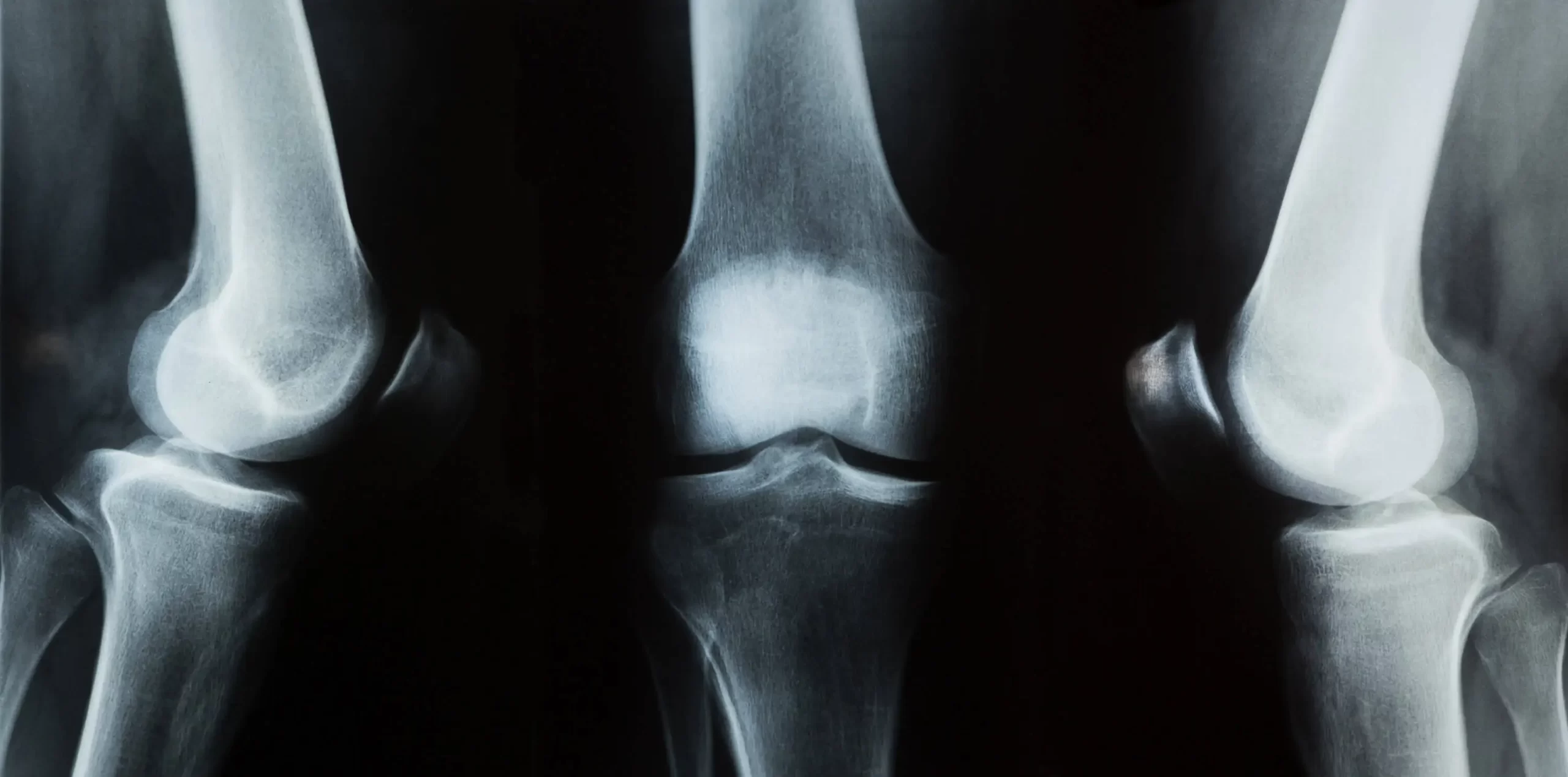
A structure that appears abnormal on an X-ray in an adult may actually be normal in a growing child because certain parts of the bone have not yet fused.
Knowledge of skeletal development helps healthcare professionals interpret imaging correctly and avoid unnecessary concern.
Differences Between Children and Adults
Children are often described as “not just small adults.” Their bones are still developing, and the areas where muscles attach to bone may be weaker than the surrounding tendons. This means that children may develop different types of injuries compared with adults, particularly during periods of rapid growth.
Growth-Related Injuries in Young Athletes
Because ossification occurs gradually, certain areas of the skeleton can be temporarily more vulnerable during growth.
Young athletes may develop injuries related to these developing structures, especially when training loads increase rapidly. Examples include conditions affecting growth centres where tendons attach to bone.
Overuse injuries in young athletes often occur when the physical demands placed on these developing structures exceed what they can currently tolerate.
Monitoring Growth and Development
Monitoring growth can help identify periods where injury risk may increase.
Some helpful strategies include:
- Tracking height changes during growth spurts
- Monitoring training load
- Adjusting activity levels during rapid growth
- Encouraging balanced strength and conditioning
Recognising when growth is accelerating can help guide safe training practices.
Supporting Healthy Bone Development
Several factors contribute to healthy skeletal development in young athletes.
These include:
- Adequate sleep
- Balanced nutrition
- Gradual training progression
- Varied sporting activities
Supporting overall health helps bones adapt to the physical demands of sport.
When to Seek Professional Advice
If a young athlete experiences persistent pain around joints or growth areas during sport, it is important to seek professional advice. Early assessment can help identify whether symptoms are related to normal growth or an injury requiring treatment.
More detailed information about skeletal development and growth-related injury patterns can also be found in the free resource available from Kids Back 2 Sport.
Frequently Asked Questions About Ossification
What does ossification mean?
Ossification is the biological process through which cartilage gradually transforms into bone during growth and development.
Why is ossification important for young athletes?
Because bones mature at different times, understanding ossification helps explain why certain injuries occur in growing athletes.
What are ossification centres?
Ossification centres are areas where bone formation begins during development. Primary centres form first, while secondary centres appear later at the ends of bones.
Are children more vulnerable to certain injuries?
Yes. Because growth plates and ossification centres are still developing, some parts of the skeleton may be more sensitive to stress during sport.
How long does ossification continue?
Skeletal development continues throughout childhood and adolescence until growth plates close and the skeleton reaches maturity.
Concerned About Your Child’s Growth-Related Injury Risks?

Reviewed by Kids Back 2 Sport
Based on educational material by Angela Jackson
Reviewed by Kids Back 2 Sport
Based on educational material by Angela Jackson
This information is for patients who already have a diagnosis from a qualified health practitioner. The material on this website is designed to support, not replace, the relationship that exists between you and your qualified health professional. If your symptoms are not settling, please do ask for help from one of the practitioners listed on the Kids Back 2 Sport directory or a health professional with experience in children’s conditions.