
A Safe Return to Sport for Young Athletes
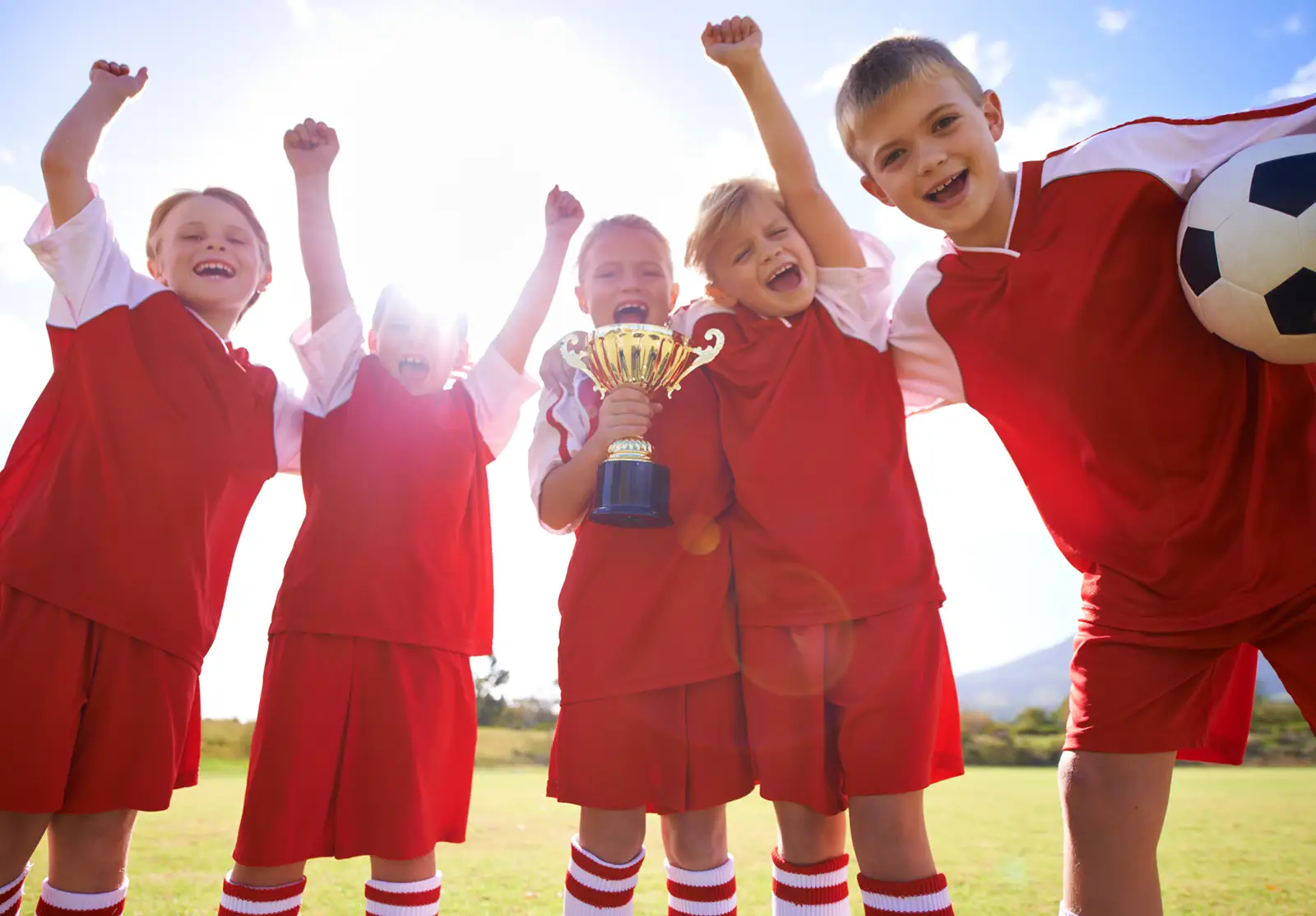
Returning to sport after injury can be an exciting but challenging time for young athletes. Many children are eager to get back to training, playing with teammates and competing again.
However, returning too quickly can increase the risk of reinjury or ongoing problems. A safe return to sport usually involves a gradual process that allows the body to rebuild strength, confidence and tolerance to activity.
Supporting young athletes through this process helps them recover fully and return to sport safely.
Why a Gradual Return to Sport Matters
After an injury, the body needs time to heal and rebuild strength. Muscles, tendons, bones and joints may have lost some capacity during the recovery period.
If a young athlete returns to intense training or competition too quickly, the body may not yet be ready to cope with the demands of sport. A gradual progression allows the body to adapt step-by-step and reduces the likelihood of setbacks.
Returning to sport should therefore be seen as part of the overall rehabilitation process rather than the final step.
Signs a Young Athlete May Be Ready to Return
Before returning to sport, several important factors should usually be considered.
- Pain that has settled or is well controlled
- Restored strength in the injured area
- Normal movement and flexibility
- Ability to perform sport-specific movements
- Confidence in using the injured body part
These factors help ensure the athlete is physically and mentally prepared to return to activity.
The Stages of Returning to Sport
A safe return to sport typically follows a step-by-step progression.
- Returning to light physical activity
- Rebuilding strength and conditioning
- Introducing sport-specific exercises
- Returning to training
- Returning to competition
Each stage allows the body to adapt to increasing levels of load before progressing further. This approach helps reduce the risk of reinjury and supports long-term athletic development.
Monitoring Symptoms During the Return
Listening to the body during the return to sport process is important. Some mild discomfort may occur as the body adapts to increased activity. However, significant pain, swelling or worsening symptoms may indicate that the body is not yet ready for that level of load. If symptoms increase, it may be helpful to temporarily reduce activity and progress more gradually.
The Importance of Strength and Conditioning
Strength and conditioning play a major role in helping young athletes return to sport safely. Strong muscles help absorb forces during running, jumping and changes of direction. They also help protect joints and reduce stress on injured areas. Rehabilitation exercises are often designed to rebuild strength, balance and movement control so the athlete can safely handle the demands of sport.
Psychological Confidence After Injury
Returning to sport is not only a physical process. Confidence also plays an important role.
Some young athletes may feel worried about reinjury when they first return to training or competition. Gradual exposure to sport-specific activities can help rebuild confidence and allow the athlete to trust their body again. Support from parents, coaches and healthcare professionals can also help young athletes feel more comfortable during this stage.
Managing Training Load
Training load should usually increase gradually during the return to sport process.
Sudden spikes in activity can increase the risk of reinjury. Instead, activity levels should progress steadily so the body has time to adapt. Monitoring training volume, intensity and recovery time can help ensure the athlete is progressing safely.
Recovery Still Matters
- Adequate sleep
- Balanced nutrition
- Hydration
- Planned rest days
Recovery habits help the body repair and adapt after training sessions and competitions.
When to Seek Professional Advice
If a young athlete experiences ongoing pain, repeated flare-ups or difficulty returning to sport, it may be helpful to seek professional advice.
A qualified healthcare professional can assess the injury, guide rehabilitation exercises and provide a structured plan for returning to activity safely.
More detailed guidance on returning to sport safely can also be found in the free resource provided by Kids Back 2 Sport.
Frequently Asked Questions About Returning to Sport
How soon can a child return to sport after an injury?
This depends on the type and severity of the injury. Many injuries require a period of rehabilitation before returning to full sport.
Why is a gradual return important?
A gradual return allows the body to rebuild strength and tolerance to activity, reducing the risk of reinjury.
Can children train while recovering from injury?
In many cases, modified activity or rehabilitation exercises can help maintain fitness while the injured area recovers.
What increases the risk of reinjury?
Returning to sport too early, sudden increases in training load and inadequate rehabilitation can all increase reinjury risk.
Who decides when a child is ready to return to sport?
The decision is usually made collaboratively between the young athlete, their parents, coaches and healthcare professionals.
Concerned About Your Child’s Return to Sport?

Reviewed by Kids Back 2 Sport
Based on educational material by Angela Jackson
Reviewed by Kids Back 2 Sport
Based on educational material by Angela Jackson
This information is for patients who already have a diagnosis from a qualified health practitioner. The material on this website is designed to support, not replace, the relationship that exists between you and your qualified health professional. If your symptoms are not settling, please do ask for help from one of the practitioners listed on the Kids Back 2 Sport directory or a health professional with experience in children’s conditions.