
Little Leaguer’s Shoulder in Young Athletes
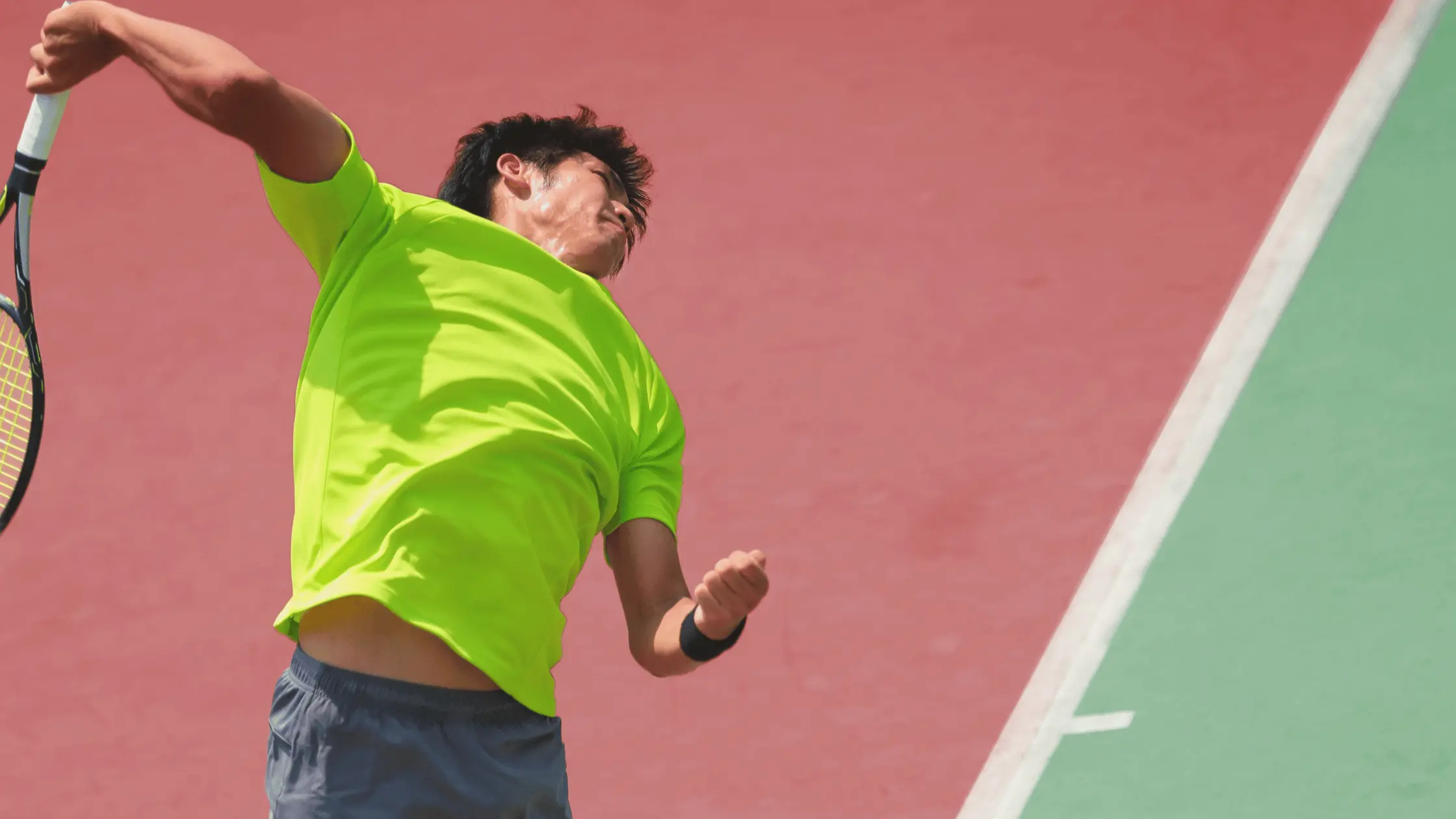
Shoulder pain in young athletes is different from shoulder pain in adults. In children and teenagers, bones are still developing and growth plates remain open during adolescence.
Because these areas are not yet fully hardened bone, they can be more vulnerable to stress during sport. One condition that may develop in young athletes who perform repeated throwing or overhead movements is Little Leaguer’s shoulder.
This condition affects the growth plate near the top of the upper arm bone and is most often seen in sports that involve repetitive throwing, pitching, bowling or serving.
What Is Little Leaguer’s Shoulder?
Little Leaguer’s shoulder is a growth plate injury affecting the upper arm bone (humerus) near the shoulder.
The shoulder joint is formed by the ball at the top of the humerus and the socket of the shoulder blade. Just below this ball is a growth plate that allows the bone to lengthen during development.
Because this growth plate is made of cartilage while a child is still growing, it is softer and more vulnerable to repeated stress.
When throwing or overhead activity places more load on the shoulder than the bone can tolerate, irritation and swelling may occur in this growth plate.
Why Young Throwing Athletes Are More Vulnerable
Growth plates remain open during childhood and adolescence and only close once skeletal maturity is reached.
During these years, muscles and tendons can sometimes be stronger than the developing bone.
When powerful muscle contractions occur repeatedly — such as during throwing or bowling — the stress placed on the growth plate may exceed what it can tolerate.
This is why certain overuse injuries are more common in young athletes than in adults.
Who Gets Little Leaguer’s Shoulder?
Little Leaguer’s shoulder is most commonly seen in young athletes who perform frequent overhead movements.
Sports that may increase risk include:
- Baseball pitching
- Cricket bowling
- Tennis serving
- Athletics throwing events
- Other overhead sports
The condition is often seen in adolescents who are increasing the intensity, speed or volume of their throwing activity.
Signs and Symptoms of Little Leaguer’s Shoulder
Symptoms often develop gradually rather than after one single injury.
Sports that may increase risk include:
- Shoulder pain during throwing or overhead activity
- Aching in the upper arm after sport
- Tenderness around the shoulder
- Reduced throwing speed or accuracy
- Fatigue in the shoulder during activity
Some athletes may also notice that their throwing technique changes because of discomfort.
What Increases the Risk of Little Leaguer’s Shoulder?
Several factors can increase the risk of shoulder overuse injuries in young athletes.
Sports that may increase risk include:
- Sudden increases in throwing or training volume
- Performing maximal efforts repeatedly
- Insufficient rest between sessions
- Playing for multiple teams simultaneously
- Poor technique
- Muscle weakness or reduced flexibility
Periods of fatigue, illness, rapid growth or poor sleep may also temporarily reduce the body’s ability to tolerate training loads.
How Is Little Leaguer’s Shoulder Managed?
Management usually begins by reducing or temporarily stopping the activity that is causing pain. This allows the irritated growth plate to settle and heal.
Treatment may include:
- Resting from throwing or overhead sport
- Gradually restoring shoulder movement
- Strengthening the shoulder and trunk muscles
- Improving flexibility
- Gradually rebuilding throwing load
In some cases, imaging such as MRI may be used to confirm the diagnosis.
How to Return to Sport Safely
Returning to sport should usually happen gradually once symptoms improve.
Young athletes may start with:
- Shorter throwing distances
- Lower intensity sessions
- Reduced training volume
Over time, distance, speed and intensity can increase step-by-step. Gradual progression helps the shoulder adapt to increasing loads and reduces the risk of symptoms returning.
How to Help Prevent Little Leaguer’s Shoulder
Although injuries cannot always be prevented, several strategies can help reduce risk.
These include:
- Tracking throwing or bowling loads
- Avoiding sudden spikes in training volume
- Building strength in the shoulder and trunk
- Encouraging rest days between intense sessions
- Reporting pain early rather than playing through symptoms
Gradual increases in activity are particularly important at the beginning of a season or after a break from sport.
Tracking Throwing Loads Across Sports
Young athletes often participate in multiple sports or play for more than one team.
When this happens, it can be easy for the total amount of throwing or overhead activity to become much higher than expected.
Tracking throwing loads across all sports and training sessions can help ensure the shoulder is not exposed to excessive stress.
Listening to the Body
Young athletes should be encouraged to pay attention to early warning signs from their body.
Pain, fatigue or reduced performance may indicate that the shoulder is struggling to cope with current training loads.
Taking a short break or reducing activity early can sometimes prevent a minor problem from developing into a longer-term injury.
The Importance of Sleep and Recovery
Sleep plays an important role in physical recovery.
During sleep, the body carries out many important repair processes that help strengthen muscles and bones.
Young athletes often need more sleep than adults, particularly during growth spurts or periods of intense training.
Adequate recovery between training sessions helps the body adapt to the physical demands of sport.
Nutrition and Energy for Growing Athletes
Proper nutrition also supports recovery and healthy development.
Young athletes benefit from:
- Balanced meals
- Adequate protein intake
- Regular hydration
- Sufficient energy intake to match activity levels
Supporting bone health and muscle development is particularly important during periods of rapid growth.
When to Seek Professional Advice
Parents and coaches should seek professional advice if a young athlete experiences:
- Persistent shoulder pain during sport
- Worsening symptoms during throwing
- Reduced ability to participate in sport
- Pain that does not improve with rest
Early assessment can help ensure an accurate diagnosis and guide appropriate management.
For those who would like a deeper explanation of symptoms, risk factors and recovery strategies, additional guidance is available in the free Kids Back 2 Sport resource on Little Leaguer’s shoulder.
Frequently Asked Questions
What is Little Leaguer’s shoulder?
Little Leaguer’s shoulder is an overuse injury affecting the growth plate near the top of the upper arm bone in young athletes who perform repeated throwing or overhead activity.
What causes Little Leaguer’s shoulder?
It usually occurs when repeated throwing or overhead activity places more stress on the developing shoulder than it can tolerate.
Which sports are most associated with this injury?
Sports involving repeated throwing or overhead movements such as baseball, cricket, tennis and athletics may increase risk.
How long does recovery take?
Recovery time varies depending on severity, but many athletes improve with rest, rehabilitation and gradual return to activity.
Can young athletes return to sport after this injury?
Yes. Most athletes can return to sport once symptoms settle and strength and movement have been restored, provided the return is gradual.
How can parents and coaches help prevent it?
Tracking cumulative overhead loads, avoiding back-to-back overload, encouraging children to report pain or fatigue, and supporting sleep, nutrition and strength can all help reduce risk.
Concerned About Your Child’s Shoulder Pain?

Reviewed by Kids Back 2 Sport
Based on educational material by Angela Jackson
Reviewed by Kids Back 2 Sport
Based on educational material by Angela Jackson
This information is for patients who already have a diagnosis from a qualified health practitioner. The material on this website is designed to support, not replace, the relationship that exists between you and your qualified health professional. If your symptoms are not settling, please do ask for help from one of the practitioners listed on the Kids Back 2 Sport directory or a health professional with experience in children’s conditions.