
Juvenile Osteochondritis Dissecans in Young Athletes
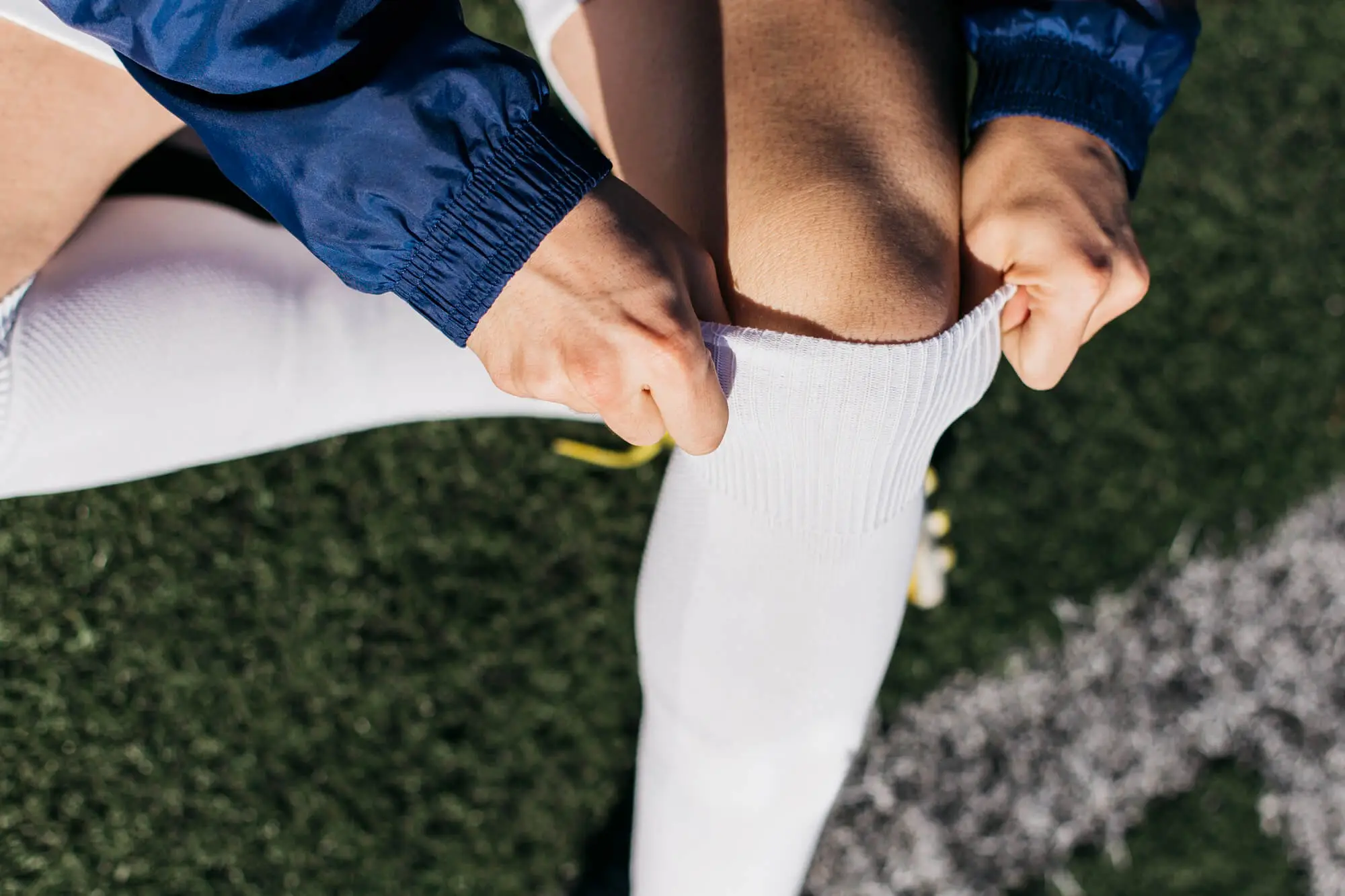
Juvenile osteochondritis dissecans is a condition that affects the joints of growing children and teenagers. It most often occurs in active young athletes and commonly affects the knee.
The condition develops when a small area of bone beneath the joint surface becomes weakened. This can affect the cartilage covering the bone and may cause pain, swelling and difficulty with movement.
With appropriate management and a gradual return to activity, many young athletes are able to recover well and return safely to sport.
What Is Juvenile Osteochondritis Dissecans?
Juvenile osteochondritis dissecans affects the surface of a joint where bone and cartilage meet.
In this condition, a small section of bone beneath the cartilage becomes weakened because the blood supply to that area is reduced. Over time, this may cause the bone and cartilage to loosen or separate from the surrounding tissue.
The knee joint is most commonly affected, although the elbow and ankle may also develop similar problems.
Who Gets Juvenile Osteochondritis Dissecans?
This condition most often affects children and teenagers whose bones are still developing.
It is commonly seen in young athletes who take part in sports involving running, jumping or rapid changes of direction. Activities such as football, basketball, athletics and gymnastics can place repeated stress on the joints, which may contribute to the condition developing over time.
Boys have historically been affected more often than girls, although participation in youth sport has increased rates in both groups.
What Causes Juvenile Osteochondritis Dissecans?
The exact cause is not always clear.
However, several factors may contribute:
- Repetitive stress on the joint
- High volumes of sport or training
- Rapid growth during adolescence
- Reduced blood supply to part of the bone
- Genetic or biological factors
Repeated micro-trauma from sport is thought to play an important role in many cases.
Signs and Symptoms
Symptoms can develop gradually and may vary depending on the joint affected.
Common symptoms include:
- Joint pain during or after sport
- Swelling around the joint
- Stiffness or reduced range of motion
- Tenderness in the affected area
- A feeling that the joint is catching or locking
Some young athletes may also notice weakness or instability in the joint.
How Is It Diagnosed?
If a young athlete experiences persistent joint pain, it is important to seek medical advice.
A healthcare professional may:
- Ask about symptoms and activity levels
- Examine the affected joint
- Assess movement and strength
- Request imaging such as X-rays or MRI scans
These tests help identify the affected area and determine the stage of the injury.
Treatment and Management
Treatment usually focuses on allowing the bone and cartilage to heal while gradually restoring strength and movement.
Management may include:
- Reducing high-impact activity
- Physiotherapy exercises
- Improving strength and movement control
- Gradual return to sport
In many young athletes whose bones are still developing, the condition may heal without surgery when activity is modified appropriately.
Returning to Sport
Returning to sport should usually happen gradually.
Rehabilitation programs typically progress through stages that include restoring movement, rebuilding strength and slowly introducing sport-specific activities before returning to full competition.
Progression should be guided by symptoms and the advice of a qualified healthcare professional.
Supporting Recovery
Recovery from joint injuries often involves more than just rest.
Young athletes benefit from:
- Adequate sleep
- Balanced nutrition
- Proper hydration
- Gradual progression of training
These factors help the body repair tissues and adapt to physical demands.
When to Seek Professional Advice
Early assessment can help ensure the correct diagnosis and allow appropriate treatment to begin. More detailed guidance about recognising symptoms, managing activity and returning safely to sport can also be found in the free resource available from Kids Back 2 Sport.
Frequently Asked Questions
What is juvenile osteochondritis dissecans?
It is a joint condition affecting children and teenagers where a section of bone and cartilage becomes weakened and may separate from the surrounding joint surface.
Which joints are most commonly affected?
The knee is affected in most cases, although the elbow and ankle can also be involved.
What causes the condition?
Repeated stress on the joint combined with reduced blood supply to the bone is believed to play a role, particularly in young athletes.
Can young athletes return to sport?
Many children can return to sport once symptoms settle and strength and movement have recovered, usually following a gradual rehabilitation program.
How long does recovery take?
Recovery time varies depending on the severity of the injury. Some young athletes improve with rest and rehabilitation, while others may require longer recovery periods.
Concerned About Your Child’s Joint Pain?

Reviewed by Kids Back 2 Sport
Based on educational material by Angela Jackson
Reviewed by Kids Back 2 Sport
Based on educational material by Angela Jackson
This information is for patients who already have a diagnosis from a qualified health practitioner. The material on this website is designed to support, not replace, the relationship that exists between you and your qualified health professional. If your symptoms are not settling, please do ask for help from one of the practitioners listed on the Kids Back 2 Sport directory or a health professional with experience in children’s conditions.